Family Dental Checkups in Simcoe: When to Visit a Dentist Near Me
For many families in Norfolk County, dental care gets scheduled the same way oil changes and furnace tune-ups do, somewhere between school calendars, hockey practice, summer travel, and the steady churn of work. Then a tooth starts hurting on a Friday night, or a child wakes up with swelling, or someone realizes they have not booked a checkup in two years. At that point, the search becomes urgent: dentist near me, teeth cleaning near me, maybe even tooth fillings near me if there is already a cavity in the mix.
The better approach is simpler and far less stressful. Build dental visits into family life before problems develop. A routine checkup is not just a quick look at the teeth. It is a chance to catch decay while it is small, track gum health, check growth and bite changes in children, review habits like grinding or clenching, and decide whether preventive dentistry can save you time, money, and discomfort later.
If you are looking for a dentist in Simcoe Ontario and wondering how often your household should go, the answer depends on age, risk factors, medical history, and what has been happening in the mouth since the last visit. There is no single schedule that fits everyone, but there are clear patterns that help families know when to book and when not to wait.
Why regular family checkups matter more than most people think
Dental problems are often quiet in the beginning. Early cavities usually do not hurt. Gum disease can progress with little more than mild bleeding during brushing. A cracked filling can sit unnoticed until it breaks further. That is one reason regular exams matter. The goal is not merely to react to pain. It is to find change while it is still manageable.
In practice, this matters most with children, busy adults, and older family members. Kids can go from a small soft spot in a baby tooth to a larger cavity faster than parents expect, especially if juice, sticky snacks, or bedtime milk are regular habits. Adults often put off care because nothing feels wrong, then end up needing more extensive work than a simple filling. Seniors may be managing dry mouth from medications, exposed root surfaces, or older dental restorations that need closer observation.
A routine visit also gives your dental team a baseline. They learn what is normal for you, whether that means crowded lower front teeth that trap plaque, a history of frequent cavities, healthy gums that only need periodic maintenance, or worn enamel from grinding. Over time, those observations become useful. A tiny change is easier to spot when someone has seen your teeth consistently.
That is the real value of preventive dentistry. It shifts dental care from crisis management to maintenance.
The common schedule, and why it is not universal
Most people are familiar with the six-month checkup. It is a helpful rule of thumb, but it is still a rule of thumb. Some patients do well on that timeline for years. Others need shorter intervals. A few can safely go longer, though that decision is best made by a dentist who knows their history.
A typical family dental schedule often looks like this:
- Children and teens usually benefit from exams and cleanings about every six months, sometimes more often if they have braces, frequent cavities, or poor plaque control.
- Healthy adults with low cavity risk and stable gums are often seen every six months.
- Adults with gum disease, heavy tartar buildup, smoking history, dry mouth, or repeated decay may need visits every three to four months.
- Seniors may need closer follow-up if medications affect saliva, dexterity makes brushing harder, or older crowns and fillings need monitoring.
- Anyone with pain, swelling, a broken tooth, bleeding gums, or sudden sensitivity should be seen sooner rather than waiting for the next routine visit.
Those intervals are not sales tactics when they are recommended appropriately. They are based on risk. A patient who forms hard tartar quickly may have healthy intentions and still need more frequent hygiene visits simply because buildup returns fast. Someone with excellent home care and very low risk may not need intervention as often. The key is individualized judgment.
Children in Simcoe: when to start and what parents should watch for
Parents often ask when a child should first see the dentist. The broad recommendation is early, generally by the first birthday or within several months of the first tooth erupting. That can seem surprisingly soon, especially when there are only a few tiny teeth in the mouth. But early visits are less about treatment and more about prevention, habit-building, and helping parents avoid common mistakes.
The first few years set the tone. A child who becomes familiar with the dental office before anything hurts usually has a much easier time later. The dentist can discuss feeding habits, fluoride exposure, teething, thumb sucking, soother use, and cleaning techniques long before there is a cavity to fix.
By school age, six-month checkups become especially useful. This is when diets broaden, brushing independence begins, and permanent teeth start arriving. Molars erupt with deep grooves that can trap food and plaque. Some children brush well in the front and rush through the back. Others are enthusiastic but not yet coordinated enough to clean thoroughly.
In everyday practice, it is common to see parents step back too early. A child may insist on brushing alone at age six or seven, but many still need supervision and a finishing pass. That is not criticism. It is just developmental reality. Fine motor control takes time. A dentist can often tell from the pattern of plaque where a child is struggling.
Orthodontic concerns may also emerge during routine visits. That does not mean every child needs braces, far from it. It means spacing, crowding, bite development, and habits like mouth breathing can be monitored before they become more complicated.
Teenagers: busy schedules, changing habits, and a higher cavity risk than parents expect
Teenagers often look old enough to manage everything themselves, including oral hygiene. In many cases, they do. In many others, they cut corners. Between school, sports, social life, part-time jobs, and irregular meal patterns, dental habits can slide.
Sports drinks, energy drinks, grazing on snacks, and inconsistent nighttime brushing create a common pattern. Add braces or clear aligners and the risk rises further. Even teens who are diligent can miss plaque around brackets, near the gumline, or behind lower front teeth.
This is where routine exams matter. A teenager may not mention sensitivity because it seems minor. They may not notice puffy gums because the change happened gradually. A cleaning appointment can reveal whether the issue is just temporary inflammation from inconsistent flossing or something that needs treatment and coaching.

It also helps to talk plainly with teens. They generally respond better to specifics than vague warnings. “You are starting to collect plaque around the brackets on the upper left” lands better than “You need to brush better.” Good dental teams know how to speak to teenagers without lecturing them.
Adults: not in pain does not mean nothing is wrong
Adults often delay checkups for practical reasons. Work schedules are packed, childcare has to be arranged, insurance renewals are confusing, and when a tooth feels fine, it is easy to bump the appointment another month. Then another.
One of the more predictable patterns in family practice is the adult who books because a spouse or child has an appointment and says, almost casually, “I might as well get checked too.” Sometimes everything is fine. Sometimes there is an old filling leaking around the edge, a cavity between back teeth that never showed symptoms, or gum pockets that have deepened over the past couple of years.
These findings are not unusual. Teeth do not always announce trouble early. That is why a person searching for a dentist near me should think beyond emergencies. If it has been more than six to twelve months since your last visit, it is worth re-establishing a routine before you need urgent care.
Adults should be especially alert to a few issues that commonly justify an earlier visit. Bleeding gums that continue for more than a week or two are not something to shrug off. New sensitivity to cold, particularly if it lingers, may signal decay, gum recession, or a cracked tooth. Jaw soreness on waking can point to grinding. A rough edge on a tooth or filling may seem minor but can break further under chewing pressure.
The trade-off is straightforward. A small cavity often means a relatively simple filling. A neglected cavity can mean a larger filling, a crown, root canal treatment, or in some cases an extraction. This is where searches like tooth fillings near me often begin, after a problem has already grown. Preventive dentistry is quieter and less dramatic, but usually much kinder to both schedule and budget.
Seniors and older adults: oral health changes with age
Aging does not automatically mean poor dental health, but it does change the risk profile. Many older adults keep their natural teeth for life, which is excellent, yet it also means those teeth and restorations require ongoing maintenance.
Dry mouth is one of the most underestimated issues in older patients. It is often linked to medications, and reduced saliva can raise cavity risk significantly because saliva helps buffer acids and protect enamel. Cavities near the gumline or on exposed roots can progress quickly, sometimes in people who rarely had decay earlier in life.
Dexterity can also become a factor. Arthritis, tremors, or reduced grip strength make flossing and brushing more difficult. Dentures, partial dentures, implants, crowns, and bridges all need regular review. Even if someone no longer has all their natural teeth, routine dental visits still matter. Oral cancer screenings, denture fit checks, and gum monitoring remain important.
For seniors living independently, a regular checkup often prevents a small irritation from becoming a painful sore or a loose crown from becoming a lost one. For families helping aging parents, routine dental care is one of those details that is easy to overlook until eating becomes difficult or discomfort affects sleep.
What happens at a routine family dental checkup
People sometimes picture a checkup as a quick polish and a reminder to floss. A thorough visit usually covers much more than that, though the exact sequence varies by clinic and by patient needs.
The appointment often includes a review of medical history, because changes in medications, pregnancy, diabetes status, osteoporosis treatment, or heart conditions can affect dental care. The exam looks at teeth, gums, existing fillings and crowns, bite, soft tissues, and signs of wear or infection. X-rays may be recommended at intervals based on risk, not simply on a fixed timer. A hygiene visit usually includes plaque and tartar removal, stain reduction where appropriate, and advice tailored to what is actually happening in your mouth.
That tailored part matters. Generic brushing instructions are easy to forget. Specific advice tends to stick. A patient might learn that the lower front teeth are where tartar collects fastest, or that flossing is going well everywhere except between two tight molars, or that a child’s back teeth would benefit from sealants because the grooves are especially deep.
When people search for teeth cleaning near me, they are often thinking about freshening up and removing buildup. That is part of it, but the larger goal is to pair cleaning with assessment, so nothing important gets missed.
Signs you should not wait for the next checkup
Sometimes the right time to visit is obvious. A broken tooth and facial swelling rarely invite debate. More often, symptoms are subtle enough that people wonder if they should wait a few weeks.
A good rule is this: if the issue is new, worsening, or interfering with eating, sleeping, or normal brushing, it deserves prompt attention. That includes a toothache that comes and goes, gums that bleed regularly, sensitivity that lingers after cold drinks, a bad taste that will not clear, or a sore spot from a denture that is not healing.
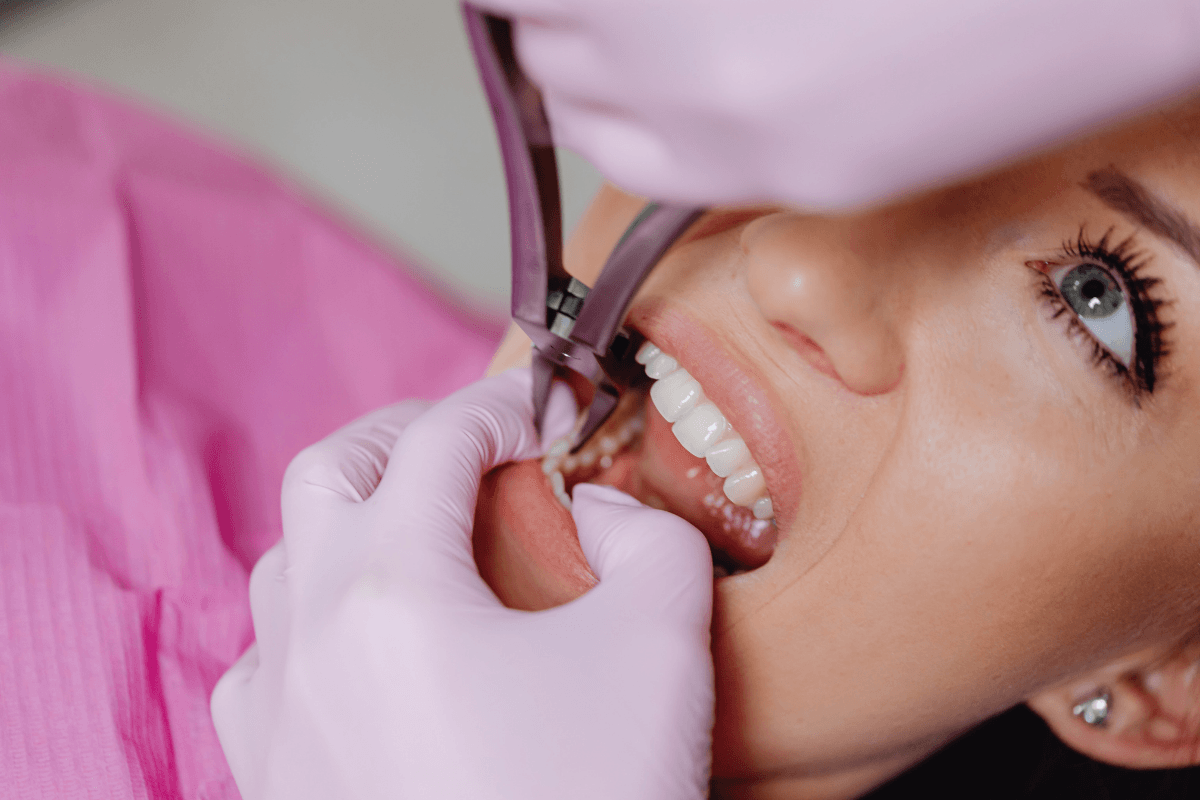
Here are a few situations where booking soon makes sense:
- You have tooth pain, swelling, or pressure when biting.
- A filling, crown, or part of a tooth has chipped or broken.
- Your gums bleed often, look swollen, or feel tender.
- You notice persistent bad breath or a bad taste despite brushing.
- It has been well over a year since your last exam, especially if you have a history of cavities or gum issues.
The reason to act early is not alarmism. It is practical timing. Dental problems rarely improve by being ignored, and many become more expensive or uncomfortable when delayed.
How to choose a dentist in Simcoe Ontario for the whole family
Finding the right dentist in Simcoe Ontario is partly about convenience and partly about fit. Location matters, especially for families juggling multiple appointments. But the nearest clinic is not always the best choice if scheduling is difficult, communication feels rushed, or children leave anxious after every visit.
A strong family practice usually offers consistency. Parents, children, and older relatives can be seen in one place, which makes follow-up easier. The team gets to know the family’s dental history, patterns, and concerns. That familiarity can make a real difference when a child is nervous, when a teen needs practical coaching, or when an adult has avoided care for a while and feels embarrassed returning.
Pay attention to how the office handles questions. Do they explain why a treatment is recommended? Do they discuss options and likely timelines? If a filling can wait safely for a short period, a thoughtful practice should say so. If it should be addressed soon, they should explain the reason clearly.
That kind of communication builds trust, and trust matters in dentistry more than many people realize.
How preventive dentistry saves money, time, and stress
The phrase preventive dentistry can sound abstract until you see its impact over a few years. A child who gets regular cleanings, fluoride support when appropriate, sealants on vulnerable molars, and coaching on brushing often avoids many of the cavities that would otherwise show up in late elementary school. An adult who addresses a small area of decay early may avoid a much larger restoration. A patient with early gum inflammation can reverse the trend before it progresses to deeper periodontal treatment.

There are edge cases, of course. Some people do almost everything right and still develop problems because of dry mouth, crowded teeth, reflux, genetics, or old dental work reaching the end of its life. Others can go longer than they should and seem to get away with it for years. Dentistry does not reward everyone equally. Still, over the long haul, regular checkups stack the odds in your favor.
They also reduce the friction of care. It is easier to book a standard exam than to rearrange life around a dental emergency. It is easier for a child to accept routine visits than to form their first impression of dentistry during a painful appointment. It is easier to budget for maintenance than to absorb a sudden, larger treatment bill.
A practical way for Simcoe families to stay on schedule
The families who stay most consistent with dental care are rarely the ones with the most free time. They are usually the ones who tie appointments to routine. They book the next visit before leaving the office. They aim for the same months each year. They pair cleanings with school breaks, birthdays, or work cycles that are easier to remember.
If your family tends to drift off schedule, keep it simple. Start with the person who is furthest overdue and book from there. Once one appointment is set, it becomes easier to coordinate the rest. If a child needs a morning slot and a parent needs late afternoon, ask the office to help stage appointments over a few days instead of trying to force everyone into one block.
For households with mixed needs, stagger the frequency. The teen with braces may need shorter intervals than the parent with stable oral health. The grandparent with dry mouth may need more frequent care than the college student home for the summer. The point is not to make everyone fit the same template. It is to create a sustainable rhythm.
If you are overdue, start without overthinking it
A surprising number of people delay because they feel awkward. They know they should have gone sooner, and that discomfort turns into more delay. In practice, dental teams see this every day. Being overdue is common. What matters is starting again.
If you are searching online for a dentist dentist in simcoe ontario near me or a dentist in Simcoe Ontario, you do not need the perfect moment or a perfect dental history to make the call. You just need a starting point. Book the exam. Mention any symptoms, even if they seem small. If you have been having sensitivity and think you may need tooth fillings near me, say that when you schedule. If it has mostly been buildup and staining, a request for teeth cleaning near me is a fine place to begin too.
The right timing for family dental checkups is less about a rigid date on a calendar and more about staying close enough to your oral health that problems do not get a head start. For most families in Simcoe, that means routine care every six months, with adjustments for age, risk, and any symptoms that appear between visits. It is a modest habit with a very practical payoff: fewer surprises, less discomfort, and a better chance of keeping everyone in the household healthy, comfortable, and confident in the dental chair.
Malo Family Dentistry — Business Info (NAP)
Name: Malo Family DentistryAddress: 100 Colborne St N, Simcoe, ON N3Y 3V1
Phone: +1-519-426-8155
Website: https://www.malodentistry.com/
Hours:
Monday: 7:30 AM – 12:00 PM; 1:00 PM – 5:00 PM
Tuesday: 7:30 AM – 12:00 PM; 1:00 PM – 5:00 PM
Wednesday: 7:30 AM – 12:00 PM; 1:00 PM – 5:00 PM
Thursday: 7:30 AM – 12:00 PM; 1:00 PM – 5:00 PM
Friday: 7:30 AM – 1:00 PM
Saturday: Closed
Sunday: Closed
Service Area: Simcoe, Ontario and Norfolk County
Open-location code (Plus Code): RMQV+G2 Simcoe, Norfolk, ON
Map/listing URL: https://maps.app.goo.gl/VBZ3Ygx4hjxW2vrf9
Embed iframe:
Socials (canonical https URLs):
Facebook: https://www.facebook.com/malodentistry/
https://www.malodentistry.com/
Malo Family Dentistry provides dental services for patients in Simcoe, Ontario and Norfolk County.
The clinic offers preventive care, cleanings, fillings, extractions, dental repairs, cosmetic dental work, dentures, mouthguards, and related dental services.
Patients can contact Malo Family Dentistry by calling +1-519-426-8155.
Hours listed are Monday to Thursday 7:30 AM–12:00 PM and 1:00 PM–5:00 PM, Friday 7:30 AM–1:00 PM, with Saturday and Sunday closed.
Malo Family Dentistry serves patients from Simcoe and surrounding Norfolk County communities.
For directions and listing details, use the map listing: https://maps.app.goo.gl/VBZ3Ygx4hjxW2vrf9
Popular Questions About Malo Family Dentistry
What dental services does Malo Family Dentistry provide?Malo Family Dentistry provides dental services including preventive care, cleanings, fillings, extractions, dental repairs, cosmetic dental work, dentures, mouthguards, and related care.
Where does Malo Family Dentistry serve patients?
Malo Family Dentistry serves Simcoe, Ontario and surrounding Norfolk County communities.
What are Malo Family Dentistry’s hours?
Monday–Thursday: 7:30 AM–12:00 PM and 1:00 PM–5:00 PM; Friday: 7:30 AM–1:00 PM; Saturday and Sunday closed.
Does Malo Family Dentistry list an email address?
No email address was provided. Contact the clinic by phone or through the website.
How can I contact Malo Family Dentistry?
Phone: +1-519-426-8155
Website: https://www.malodentistry.com/
Map: https://maps.app.goo.gl/VBZ3Ygx4hjxW2vrf9
Facebook: https://www.facebook.com/malodentistry/
Landmarks Near Simcoe, ON and Norfolk County
1) Norfolk County Fairgrounds2) Simcoe Recreation Centre
3) Downtown Simcoe
4) Norfolk Arts Centre
5) Port Dover Beach
6) Turkey Point Provincial Park
7) Long Point Provincial Park